
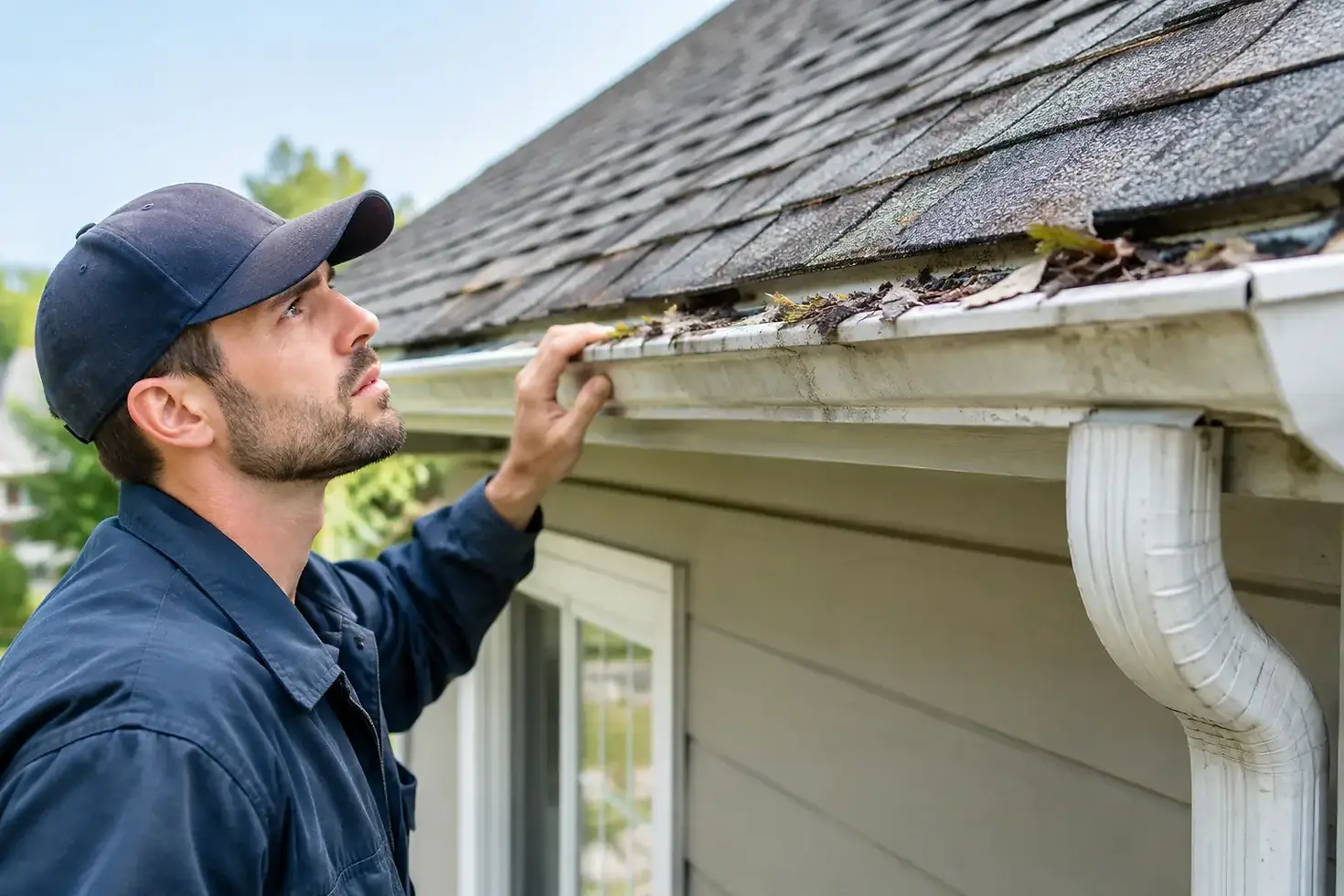
7 Signs Your Gutters Need Replacement Now
A gutter can look fine from the driveway while quietly sending water where it does the most damage. Knowing the signs your gutters need replacement can help Kenosha-area homeowners avoid stained siding, rotted trim, basement moisture, and expensive foundation repairs after the next heavy rain or snowmelt.
Gutters have one straightforward job: collect roof runoff and move it safely away from the home. When they sag, split, pull away, or clog beyond a reasonable fix, water starts finding other paths. In southeastern Wisconsin, repeated freeze-thaw cycles, wind, ice, and seasonal storms can shorten the life of an already aging gutter system.
1. Your Gutters Sag or Pull Away From the Roofline
A gutter should sit securely against the fascia and maintain a slight, consistent slope toward the downspout. If you can see sections bowing in the middle, leaning outward, or separating from the roofline, the system is carrying more weight than its fasteners can handle - or the fascia behind it may already be weakened by moisture.
A few loose hangers can sometimes be replaced. But widespread sagging usually points to a larger issue. Water may be pooling in the trough because of poor pitch, recurring clogs, undersized gutters, or damage from ice. Simply fastening a sagging gutter back into deteriorated wood may not solve the problem for long.
2. You See Cracks, Holes, or Split Seams
Small cracks often become big leaks during a Wisconsin winter. Water enters a crack, freezes, expands, and opens the gap further. Seams are especially vulnerable because they experience movement, debris buildup, and constant exposure to standing water.
One isolated pinhole or a minor seam leak may be repairable with proper cleaning, sealing, and inspection. Replacement becomes the better investment when cracks appear in several areas, seams repeatedly fail, or sections have become brittle, warped, or heavily corroded. A patchwork gutter system can cost less today but may leave your home exposed during the next major storm.
3. Water Overflows During Normal Rainfall
Overflow is one of the clearest signs that something is wrong. If water spills over the front edge of the gutters during a typical rain, first consider whether leaves, shingle grit, or a blocked downspout are causing the backup. Thorough cleaning may be all that is needed.
If the gutters are clean and still overflow, the system may have the wrong slope, too few downspouts, damaged sections, or insufficient capacity for your roof. Water rushing over the edge can soak landscaping, stain brick or siding, erode soil, and collect near the foundation. Those are not cosmetic concerns. They are early warnings that runoff is not being controlled.
4. There Are Water Marks on Siding or Under the Eaves
Look closely at the exterior walls after rainfall. Vertical dirt trails, peeling paint, mildew, or discoloration beneath the roof edge often show where overflowing water has been running down the house. Soft, swollen, or darkened soffit and fascia boards deserve prompt attention as well.
These symptoms can also come from roof flashing problems, ice dams, or other exterior leaks, so a careful inspection matters. The goal is not to assume every stain means a full gutter replacement. It is to identify the actual water path before hidden wood damage gets worse.
Pay Attention to the Fascia Board
Fascia is the horizontal board where gutters are typically attached. When a gutter leaks behind itself or pulls away, water can soak this board for years without being noticed. Rotting fascia may cause nails and screws to loosen, which makes the gutter sag even more. At that point, replacing gutters without repairing the supporting wood can leave the new system vulnerable from day one.
5. You Find Rust, Peeling Finish, or Corrosion
Painted steel gutters may develop rust where the protective coating has worn away. Aluminum does not rust in the same way, but it can corrode, pit, bend, and develop a chalky, weathered finish. Peeling paint around gutters may also signal trapped moisture or water running where it should not.
Surface wear alone does not always require replacement. A professional can assess whether the material is still structurally sound. However, rust spots that have turned into holes, widespread flaking, or corrosion around joints and fasteners usually mean the gutter is nearing the end of its useful life.
6. Downspouts Are Loose, Crushed, or Draining Too Close to the House
A gutter system works only when its downspouts carry water away from the foundation. A loose downspout may dump water against siding. A crushed section can restrict flow and force water back into the gutter. Missing extensions can leave hundreds of gallons of roof runoff pooling beside the home over a season.
Watch for soil washout, mulch that keeps moving, wet basement walls, or puddles near the foundation. These conditions do not automatically prove that gutters need replacement, but they do call for an inspection of the entire drainage system. Sometimes replacing a damaged downspout and adding correctly placed extensions is enough. In other cases, the gutter layout itself needs to be redesigned.
7. Repairs Keep Adding Up
The most practical sign that gutters need replacement is repeated repair. If you are sealing seams every year, rehanging sections after storms, replacing fasteners, and correcting the same drainage issues again and again, it is worth comparing those ongoing costs with a properly installed new system.
New seamless gutters reduce the number of joints where leaks commonly begin, though they still need seasonal cleaning and inspection. The right size, slope, hanger spacing, and downspout placement matter just as much as the material. A quality installation should account for your roof shape, local weather exposure, and how water moves around your property.
When Repair Makes Sense and When Replacement Is Safer
Repair is often reasonable when damage is limited to one section, the existing gutter material remains in good condition, and the system drains properly after cleaning. Replacing a short length of gutter, reattaching a downspout, resealing a seam, or correcting a small pitch issue can protect the home without replacing everything.
Replacement is usually the smarter choice when there is widespread corrosion, multiple cracks, recurring overflow, loose sections throughout the roofline, or damaged fascia caused by long-term leaks. It also makes sense when roofing, siding, or exterior trim work is already planned. Coordinating these projects can help ensure the finished exterior is properly protected and visually consistent.
Do Not Ignore Interior Clues
Gutter failure starts outside, but its effects can show up indoors. Musty odors, damp basement walls, water stains near exterior-facing ceilings, and peeling paint may all be connected to uncontrolled runoff. These symptoms can have several causes, including plumbing leaks or roof damage, so they need a full evaluation rather than a quick guess.
Homeowners should also be cautious about inspecting elevated gutters themselves. Ladders, wet ground, and roof edges create real safety risks. A professional exterior inspection can identify clogged channels, loose fasteners, failing seams, fascia damage, and drainage concerns without putting you in a dangerous position.
TRA Restoration & Remodeling helps homeowners in Kenosha and nearby communities evaluate gutter damage as part of a larger exterior protection plan. With more than 25 years of experience, family-owned service, competitive pricing, and workmanship-backed repairs, the focus is on fixing the cause of the problem - not simply covering up the visible symptom.
If your gutters are overflowing, pulling away, or leaving water near the foundation, act before the next hard rain or winter freeze turns a manageable repair into damage inside the home. A clear assessment and a free estimate can give you a practical path forward and the confidence that your home is ready for the weather ahead.



Comments