

10 Signs of a Hidden Plumbing Leak in Your Home
A water leak does not need to pour through the ceiling to cause expensive damage. Many of the most serious leaks begin behind a wall, under flooring, or beneath a cabinet, where water can quietly soak building materials for days or weeks. Knowing the signs of a hidden plumbing leak gives Kenosha homeowners a chance to stop the damage before it leads to mold, warped finishes, damaged drywall, or a larger restoration project.
Older homes, seasonal temperature swings, aging supply lines, and worn pipe connections can all increase the chance of a concealed leak. The good news is that your home usually provides warnings. The key is recognizing them early and taking the right next step.
10 Signs of a Hidden Plumbing Leak
1. Your Water Bill Suddenly Increases
A higher bill is one of the clearest early warnings, especially when your household's routines have not changed. A leaking supply line, toilet fill valve, or pipe behind a wall can waste water around the clock, even though no faucet is running.
Compare the bill to the same month last year if possible. A small increase can come from normal seasonal use, but a sharp or ongoing jump deserves attention. Water rates, extra guests, and lawn watering can affect the total, so this sign is most meaningful when it appears alongside another symptom.
2. The Water Meter Moves When Everything Is Off
This is a simple homeowner check that can help confirm an active leak. Turn off faucets, appliances that use water, irrigation systems, and ice makers. Then watch your water meter. If the leak indicator moves or the meter reading changes over 15 to 30 minutes, water may be escaping somewhere in the system.
This test does not tell you where the problem is. It can also detect a running toilet, which is often easier to repair than a hidden pipe leak. Still, it is useful evidence to share with a plumbing professional.
3. You Smell a Musty or Damp Odor
Water trapped in drywall, insulation, subflooring, or cabinetry creates a damp, stale smell. You may notice it when entering a bathroom, opening a vanity cabinet, walking into a basement room, or returning home after the house has been closed up.
Do not cover the odor with air freshener and assume the issue is resolved. A musty smell does not automatically mean mold, but it does mean moisture may be lingering where it should not be. Finding and correcting the water source matters more than treating the smell.
4. Stains Appear on Ceilings, Walls, or Floors
A yellow, brown, or copper-colored stain can point to water moving through drywall or wood. Ceiling stains are especially common beneath bathrooms, laundry rooms, kitchens, and second-floor plumbing. On a wall, a stain may sit far from the actual leak because water follows framing and gravity before it becomes visible.
Fresh stains can feel cool or damp. Older stains may be dry but still indicate a past leak that was never properly repaired. Before repainting, make sure the moisture source has been identified and the affected material has dried completely. Paint can hide the evidence, but it cannot fix wet drywall or compromised framing.
5. Paint Peels, Drywall Bubbles, or Wallpaper Lifts
Drywall absorbs water quickly. As it does, paint may blister, seams may open, and the wall surface can soften or bulge. In finished spaces, these issues are sometimes mistaken for ordinary age or poor ventilation.
A small bubble behind a toilet or near a shower wall can be a warning worth investigating. The same goes for lifting baseboards, swollen trim, or wallpaper that is separating from the wall. These finishes are often the first visible casualties of moisture behind them.
6. Flooring Starts to Warp, Cup, or Feel Soft
Water beneath flooring can cause hardwood boards to cup, laminate seams to rise, vinyl to loosen, and carpet padding to stay damp. Tile floors may develop loose grout or a hollow sound if moisture affects the subfloor or adhesive.
Pay attention to any spot that feels spongy underfoot, particularly near a dishwasher, refrigerator water line, toilet, tub, or laundry area. A soft floor is not a cosmetic issue. It can signal that the subfloor has absorbed enough water to weaken, and it should be evaluated promptly.
7. Mold or Mildew Keeps Returning
A little mildew on shower grout can be a ventilation issue. Mold that repeatedly appears on a wall, under a sink, around baseboards, or in a dry-looking room is different. It may be responding to hidden moisture from a plumbing leak.
Clean-up alone will not prevent recurring growth if water remains behind the surface. The affected area may need drying, cleaning, and repair after the leak is corrected. In some cases, removing damaged drywall or flooring is the only way to reach and properly restore wet materials.
8. You Hear Water When No Fixture Is Running
A faint hissing, dripping, or rushing sound in a wall can be easy to dismiss, particularly when the home is quiet at night. Yet a steady sound with no known water use can point to a pressurized supply-line leak.
Listen near bathrooms, kitchen walls, utility rooms, and areas where plumbing pipes run through the home. Keep in mind that heating systems, appliances, and normal pipe expansion can also make sounds. A recurring water-like noise, particularly with a higher water bill or stain nearby, is a stronger reason to call for help.
9. Water Pressure Has Changed
Lower pressure at one fixture may be caused by a clogged aerator, a failing faucet cartridge, or a local valve issue. Low pressure throughout the home can sometimes indicate a larger plumbing concern, including a leak in the main line.
Because several issues can cause pressure changes, avoid assuming that a leak is the answer. Check whether the issue affects both hot and cold water and whether it occurs at multiple fixtures. Those details can help narrow down the cause.
10. A Toilet, Sink Cabinet, or Appliance Area Is Always Damp
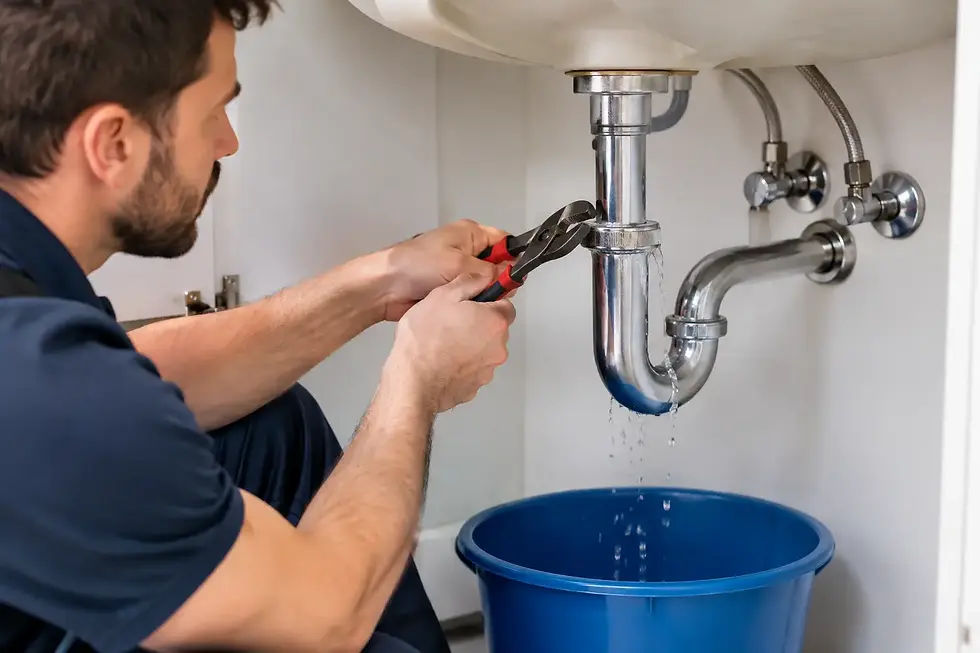
Not every hidden leak is fully inside a wall. Slow drips beneath a bathroom vanity, under a kitchen sink, behind a refrigerator, or around a toilet can stay concealed until they damage the cabinet base or flooring.
Check these locations regularly with a flashlight. Look for water marks, rust on supply valves, swollen particleboard, loose flooring, or a damp cabinet floor. Toilet leaks may show up as discoloration around the base, but water can also travel underneath the flooring before becoming visible.
What to Do When You Suspect a Leak
Start by limiting additional water exposure. If you see active water, shut off the nearest fixture valve when possible. If the leak appears to be from a pipe, is spreading quickly, or is affecting electrical fixtures or outlets, shut off the home's main water supply and keep clear of the area.
Take photos of visible stains, damaged finishes, and meter readings. This documentation can be useful for a repair assessment and may help with insurance questions. Then arrange for a qualified professional to locate the source. Accurate leak detection matters because opening walls or flooring without a plan can add unnecessary repair costs.
Once the leak is repaired, the work is not always over. Materials that have been wet may need professional drying, removal, or replacement. Drywall, insulation, flooring, cabinets, and paint can all require attention depending on how long the moisture was present and how far it traveled. A proper repair addresses both the pipe failure and the damage it caused.
When a Small Leak Becomes a Restoration Concern
A pinhole leak or failed connection may start small, but water does not stay neatly contained. It follows pipe penetrations, framing, insulation, and floor layers, often reaching rooms below or beside the original problem. Waiting can turn a straightforward plumbing repair into a more involved water damage restoration project.
For homeowners in Kenosha and nearby communities, TRA Restoration & Remodeling can help address the visible damage after a plumbing leak, including drywall repair, flooring work, painting, and bathroom or kitchen restoration. With more than 25 years of experience and workmanship warranties, the focus is on repairs that look right, hold up, and protect your home from repeat problems.
If something in your home feels damp, smells musty, or looks slightly out of place, trust that instinct. Addressing a hidden leak early is often the most practical way to protect the home you have worked hard to maintain.


Comments